Cameroon's Biggest Showcasing the Nation's Largest Wood Factory
Cameroon's Biggest Showcasing the Nation's Largest Wood Factory
Blog Article
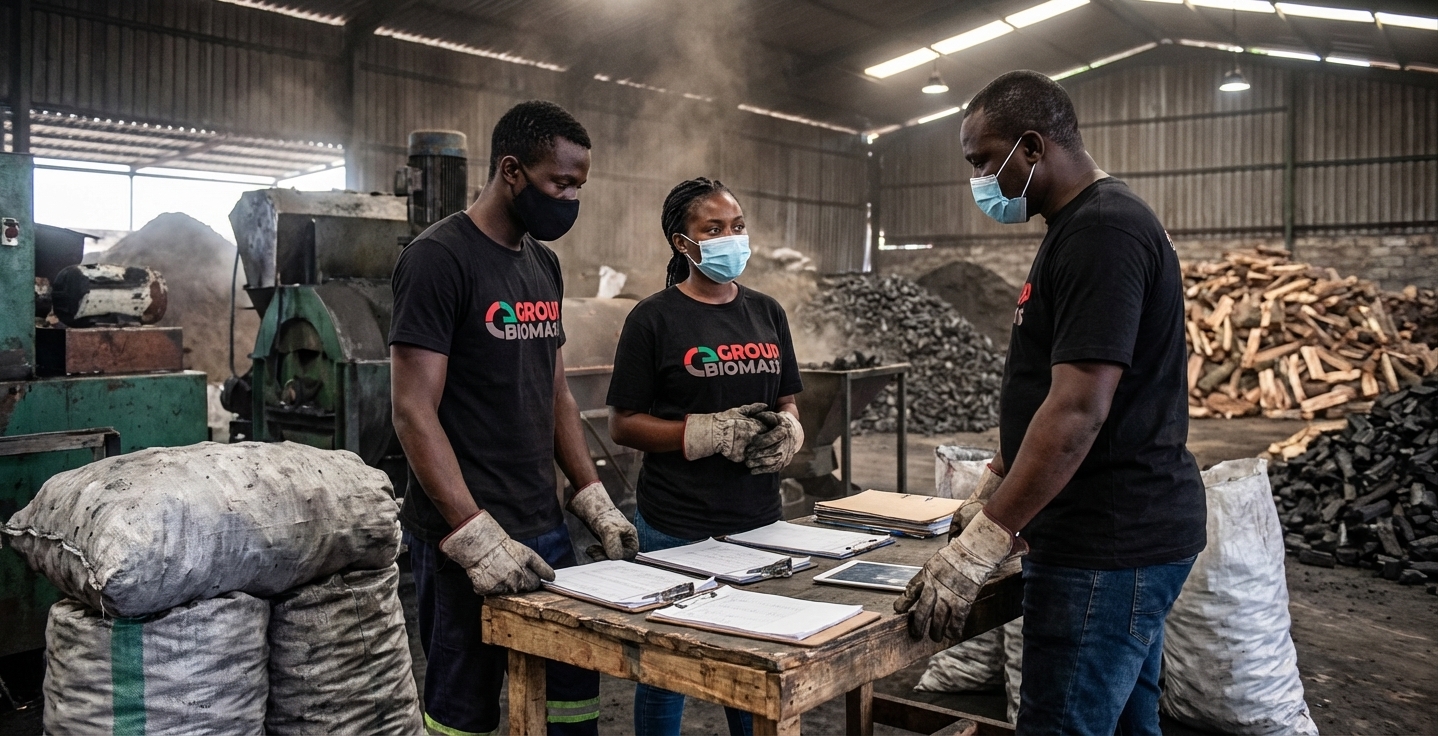
Deep within the country, a massive operation stands as a symbol to the rising demand for biomass. This industrial complex, reportedly the region’s premier fuel factory , is drawing attention for both its size and the potential environmental ramifications. While providing livelihoods for regional communities, the plant’s processes are triggering debate about responsible forest harvesting and the long-term health of the country's woodlands .
Natural Lump Carbon Sale Boom: The Emerging Player
Cameroon is witnessing a remarkable surge in dense lump carbon exports, positioning itself as a important source in the global industry. Driven by increasing demand from European United States and Asian markets, the region’s supply of this eco-friendly fuel is rapidly increasing, offering promising prospects for regional populations and boosting the national financial situation. The focus on environmentally friendly timber granulated carbon is proving to be a critical aspect in gaining international buyers.
Inside Cameroon’s Hardwood Lump Charcoal Factory: Production & Sustainability
Stepping across a average Cameroon timber lump carbon factory shows a remarkably straightforward process of manufacturing. Raw trees, often obtained from sustainable woodlands, are meticulously logged and transported to a furnace. Within this area, the timber hardwood lump charcoal vs briquettes is gradually heated with minimal oxygen, a technique that transforms it as piece charcoal. Although the established methods used can be demanding, growing modern factories are integrating better processes and trying ways to boost both efficiency and ecological responsibility. This covers investing in green resources and implementing thorough waste control approaches.
The Lump Charcoal Trade : A Key Player in Worldwide Exports
Despite mounting environmental anxieties, Cameroon’s wood charcoal industry remains a surprising and vital contributor in the global shipment landscape. The manufacture of charcoal from forest biomass is a important foundation of income for many of local communities, particularly in remote zones. This operation generates a substantial amount of lump charcoal destined for international destinations , often providing energy needs in other nations , though this need creates challenges relating to woodland depletion and sustainable forest protection.
La Contre Charbon Massif en Bois Dur vs. Les Briquettes: Une Perspective Camerounaise
Au Cameroun, , la choix entre le charbon de bois lump et des combustibles interroge une question . Habituellement, le charbon de bois a été privilégié afin de ses arôme typique et son capacité de produire une température intense , idéale pour la grillades locales . Toutefois, les combustibles, davantage disponibles à obtenir et plus chères , gagnent en popularité , surtout dans les zones modernes.
Eco-friendly Charcoal Production : The Future of Cameroon's Hardwood Business
The conventional method of charcoal creation in Cameroon presents a serious challenge to its valuable hardwood forests . However, new sustainable techniques offer a viable path forward. These include technologies like biomass waste conversion and efficient earth kilns , which lessen deforestation, decrease emissions, and create financial opportunities for local populations . Embracing these eco-friendly alternatives is crucial to safeguarding Cameroon's biological heritage and securing the long-term sustainability of its hardwood industry while tackling climate impacts .
Report this page